
How to better find a walkie-talkie that suits your own use—congratulations, here you may find the answer that belongs to you.
Johnson Wu

With the vigorous development of maritime industry, the importance of marine radio communication has also been paid more and more attention. Some people may have less exposure to this area, but to give you a few examples, such as the rescue of the Titanic, the rescue of the Jiang Yalun, etc., marine radio communication has played a crucial role. Today we are going to talk about this topic.

1. What is marine radio communication?
Marine radio, radio equipment installed on board a ship for communication purposes. Depending on the size of the vessel and its purpose, the functions and main properties of the radio vary. Small passenger ships sailing along the coast only need to be fitted with communication radios suitable for shorter distances, while smaller vessels used for recreational purposes, such as sailing, water sports etc., can carry portable handheld radios, while large passenger and cargo ships sailing on the high seas need to be equipped with long distance radios.
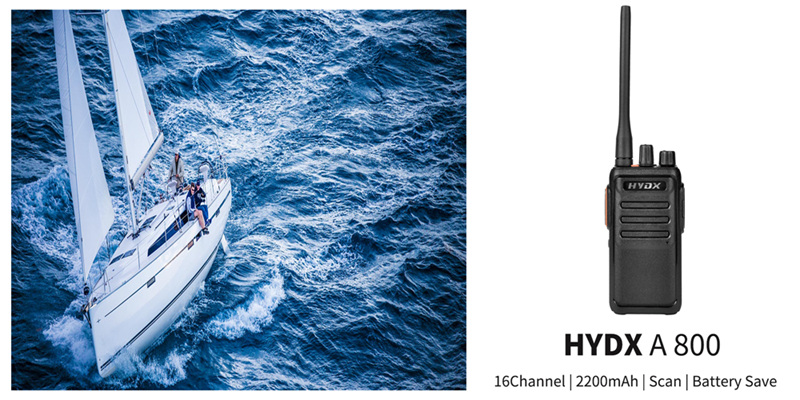
VHF communication radios: These include handheld radios and marine radios, with a frequency range of 30-300MHz, generally used for close range communication.
Simplex handheld radio; duplex handheld-slipway intercom; distress group call; common communication channels; one-key alarm for help; channel scanning
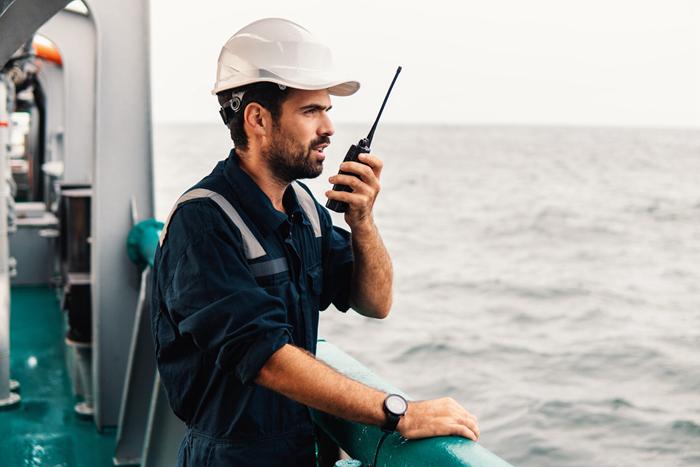
4. Communication requirements for fishing vessels

SUBSCRIBE TO JUSTON E-NEWSLETTER :
Tel : +86 15906081133
Email : seven@odmradio.com
Whatsapp / Wechat : +86 15906081133
No.886 Changfeng Street, Licheng District, Quanzhou,Fujian,China


SCAN IT HYDX WECHAT :