Have you ever pressed the push-to-talk button only to be greeted by an annoying hiss, crackle, or hum? Background noise in portable two-way radios is one of the most common frustrations for users across industries—from security teams to construction crews. While a little bit of noise can be normal, excessive static often points to a specific cause that you can identify and fix. In this guide, we’l...
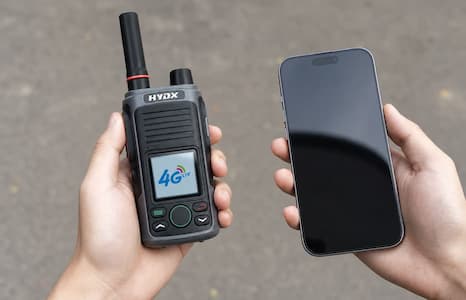
When selecting communication equipment for industrial operations, emergency response, or remote work, the “safety” question involves not only personal RF exposure but also communication reliability under real-world conditions. This comparison examines two-way radios (walkie-talkies) and cellular phones across critical safety dimensions. RF Exposure Safety: Walkie-Talkies Generally Show Lower Absor...
Many commercial and industrial walkie talkie users face a common issue: walkie talkie keeps cutting out. Intermittent audio, sudden signal drops, and broken transmissions severely hinder teamwork in construction, hospitality, security, and outdoor operations. As a professional walkie talkie manufacturer, we summarize the core causes and practical fixes to help you achieve stable, uninterrupted two...
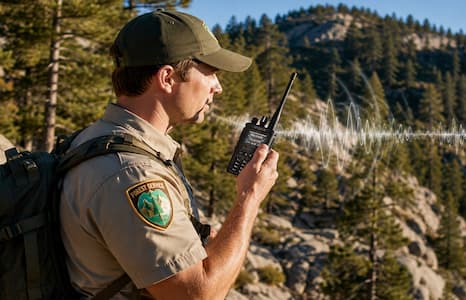
Manufacturers often boast ranges of “up to 50 miles,” yet real‑world performance frequently drops to a few kilometres. This gap is not inevitable. Range is governed by physics, equipment choices, and the operating environment. By addressing the most influential factors systematically, you can achieve consistent, measurable improvements—without falling for dubious “signal booster” gimmicks. 1. Choo...
Quick Answer USB‑C frees you from bulky proprietary cradles – you can charge anywhere with your phone charger or a power bank. That’s a game‑changer for individuals and small teams. But if you manage a fleet of dozens of radios, multi‑bay cradles still win for overnight charging and battery maintenance. 80% of users should go USB‑C without hesitation; fleet managers, decide based on your scale. Ke...
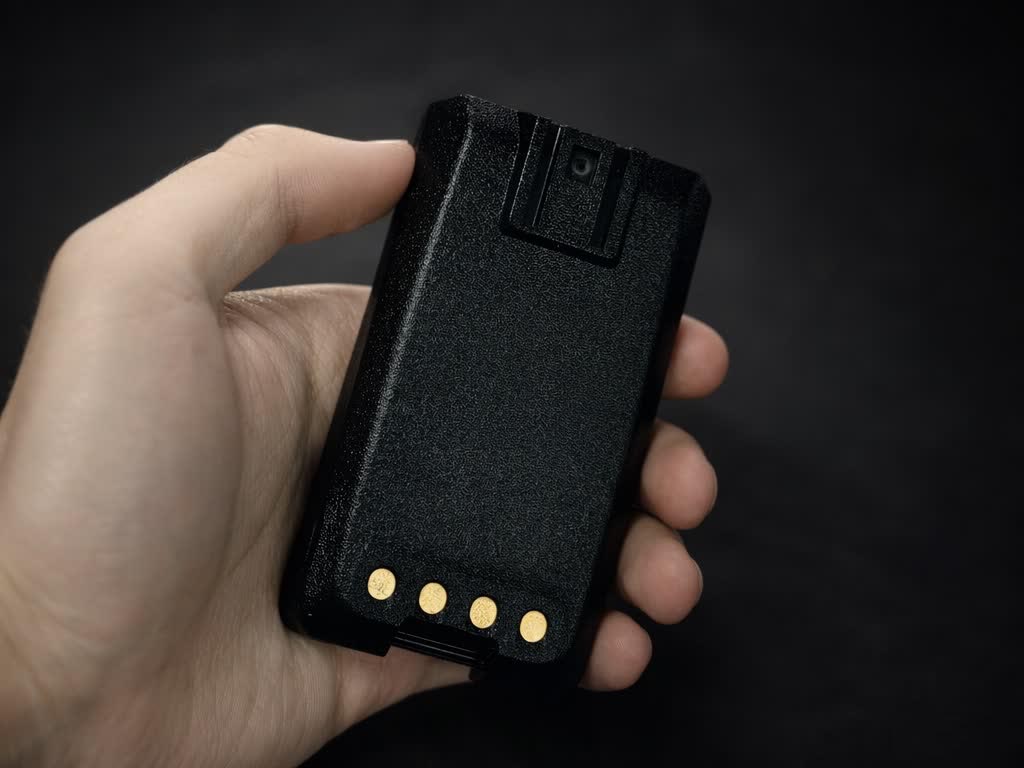
Introduction For any organisation managing a fleet of two‑way radios—whether in public safety, construction, logistics, or industrial operations—battery procurement represents a recurring operational expense that demands strategic scrutiny. The global two‑way radio battery market was valued at approximately USD 1.2 billion in 2024 and is projected to grow at a steady CAGR of 6.5% through 2033. Wit...
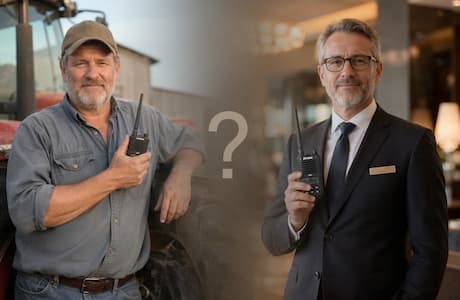
A Technical Guide for the Discerning Buyer Introduction: One Question, Two Answers Imagine two customers land on your site on the same morning. One runs a 5,000‑acre wheat farm in the Australian outback. The other manages a 30‑story hotel in downtown Singapore. Both need two‑way radios. Both ask the same question: “Which one should I buy?” If you give them the same answer, you have failed them bot...