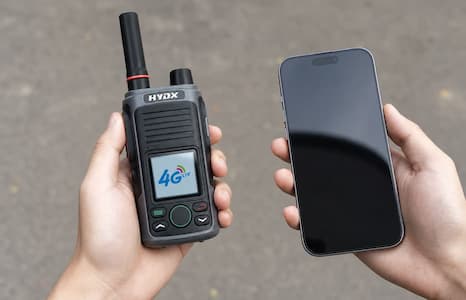
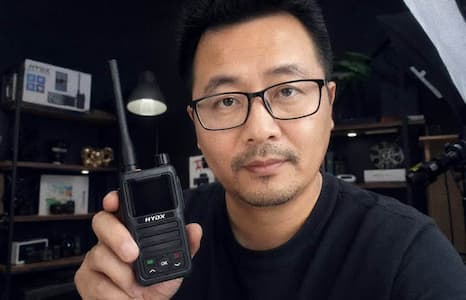
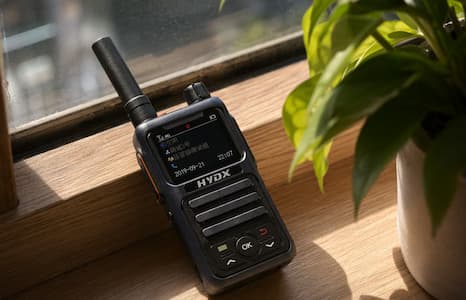
When selecting communication equipment for industrial operations, emergency response, or remote work, the “safety” question involves not only personal RF exposure but also communication reliability under real-world conditions. This comparison examines two-way radios (walkie-talkies) and cellular phones across critical safety dimensions. RF Exposure Safety: Walkie-Talkies Generally Show Lower Absor...
Many commercial and industrial walkie talkie users face a common issue: walkie talkie keeps cutting out. Intermittent audio, sudden signal drops, and broken transmissions severely hinder teamwork in construction, hospitality, security, and outdoor operations. As a professional walkie talkie manufacturer, we summarize the core causes and practical fixes to help you achieve stable, uninterrupted two...
Manufacturers often boast ranges of “up to 50 miles,” yet real‑world performance frequently drops to a few kilometres. This gap is not inevitable. Range is governed by physics, equipment choices, and the operating environment. By addressing the most influential factors systematically, you can achieve consistent, measurable improvements—without falling for dubious “signal booster” gimmicks. 1. Choo...
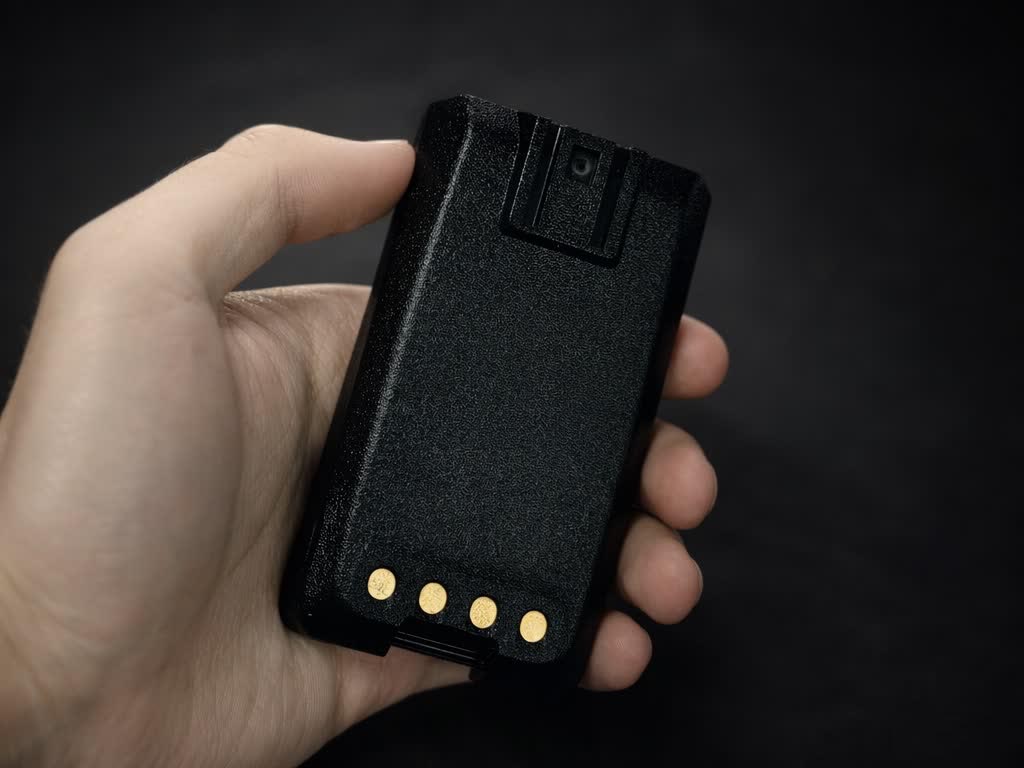
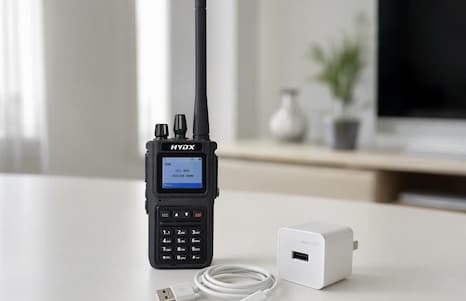
Quick Answer USB‑C frees you from bulky proprietary cradles – you can charge anywhere with your phone charger or a power bank. That’s a game‑changer for individuals and small teams. But if you manage a fleet of dozens of radios, multi‑bay cradles still win for overnight charging and battery maintenance. 80% of users should go USB‑C without hesitation; fleet managers, decide based on your scale. Ke...